





While AI headlines continue to dominate, we’re seeing something more practical happening in our accounts right now: brands leaning into Demand Gen, a reemergence of B2B businesses returning to paid media with intent, and performance improving when channels are orchestrated, not isolated.
A reminder that not every growth lever is new but the way they’re being used is evolving.
Demand Gen: Not Just a Rebrand of Paid Social
Demand Gen doesn’t wait until someone searches; it influences consideration early by meeting users where they’re already consuming content.
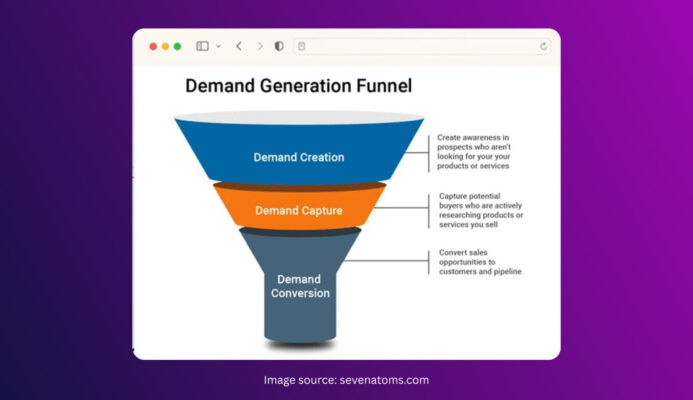
Google’s Demand Gen campaigns are designed to reach users across YouTube, Discover and Gmail before they actively search.
On paper, that sounds familiar.
In practice, it’s becoming a meaningful bridge between awareness and intent, especially when paired properly with Search and Performance Max.
If you want Google’s official overview of how it works, you can read more via Google Ads & Commerce Blog (AU market relevant).
Read More on Google Ads & Commerce Blog
Where We Think It Works Best
Physical locations
Retail, clinics, hospitality… anywhere proximity and timing matter. Demand Gen helps warm the audience before they’re actively searching “near me”.
Considered purchases
Services with research cycles. Higher price points. Education-led decisions. It builds familiarity before bottom-funnel intent kicks in.
Our take?
It’s not replacing Search, it’s strengthening it.
The biggest mistake we’re seeing?
Running it in isolation and expecting direct-response results immediately. That’s not going to happen.
The best results so far have come when it’s:
- Paired with strong Search coverage
- Supported by structured retargeting
- Led by creative that actually earns attention
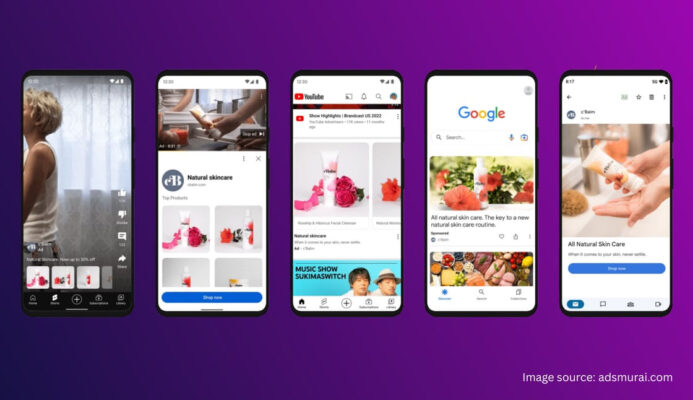
These are the surfaces where demand gets generated — YouTube, Gmail, Discover — creating interest before people type a single search.
At Neon Treehouse, we’ve had early access to Demand Gen enhancements and are currently running beta activity across selected client accounts. If it’s something you’re interested in, give us a call and we’ll talk you through it.
For now, here are some high level early learnings:
- Strong assisted conversion influence
- Improved blended CPAs when integrated properly
- Creative is outperforming audience complexity
- Automation is doing more of the “who”. Creative clarity is doing more of the “why”.
Why B2B Brands Are Leaning Back Into Paid Media
Over the past few months, we’ve noticed something interesting…
More B2B brands are coming back to paid media. Not in a panic, not chasing shiny objects, but with a clear brief: “Help us build a predictable pipeline again.”
And honestly? That makes sense.
Organic reach isn’t as reliable as it used to be. Sales cycles are stretching out. Buying committees are bigger. And relying on referrals alone doesn’t scale forever.
What we’re seeing isn’t just confidence returning, it’s a desire for stability.
Paid media, when structured properly, becomes less about “quick wins” and more about controlled momentum. It gives you levers. It gives you visibility. It gives you consistency when other channels fluctuate.
And the broader market reflects it.
Digital advertising investment in Australia continues to grow year-on-year, now sitting at well over $16 billion annually as more businesses shift budget into measurable digital channels.
What that tells us is simple: brands aren’t pulling back from digital. They’re becoming more intentional about where it fits in their growth strategy.
Read More Australian Digital Advertising Stats Here
From our perspective, B2B brands aren’t leaning back into paid media because it’s suddenly trendy. They’re leaning back because predictability matters again.
LinkedIn Matters…But Not Alone
Now, let’s talk platforms.
Yes, LinkedIn is powerful. It’s still the cleanest way to target by job title, industry and seniority. We use it. We value it.
BUT, here’s the reality we talk about with clients all the time: Decision-makers don’t just live on LinkedIn.
They research suppliers on Google.
They scroll Meta after hours.
They watch YouTube when they’re comparing solutions.
The buying journey doesn’t sit neatly inside one platform anymore, it overlaps, loops and revisits. So when we see B2B brands putting their entire paid strategy into one channel, we gently challenge it.
Because the strongest results we’re seeing come from orchestration, like we’ve mentioned in our previous newsletters:
- LinkedIn for precision
- Google for intent capture
- Meta and YouTube for influence and reinforcement
It’s less about picking a winner and more about understanding how they work together. And that’s usually where performance shifts from “okay” to “consistently strong.”
This Is Where Meta + Google Really Earn Their Keep
Once we zoom out from single-channel thinking, the role of each platform becomes clearer.
We’re seeing Meta quietly do a lot of heavy lifting in the middle of the journey: reinforcing messaging, nurturing interest and keeping brands visible while internal conversations are happening.
At the same time, Google captures the moment when someone moves from “researching” to “shortlisting.” That high-intent search behaviour is still one of the strongest buying signals in B2B.
And YouTube? It’s often the credibility builder. The place where authority is formed before a sales call is ever booked.
Individually, they perform well. Together, they perform differently.
There’s good evidence behind that too. More than 47% of advertisers using multi-channel strategies report better returns on investment than running campaigns on a single channel, and over half of advertisers say multi-channel approaches extend reach, drive engagement and lift brand awareness.
Read More on The Power of Multi-Channel Advertising
That’s the magic of orchestration.
When messaging is sequenced properly — when someone sees a thought-leadership video, then a reinforcing Meta touchpoint, then searches your brand a week later — that’s when pipeline starts to feel steadier.
Not spiky. Not campaign-dependent. Steady.
That’s the shift we’re seeing. But don’t mistake us — it’s not about adding more channels, it’s about connecting the ones you’re already using in a way that feels intentional and cohesive.
Ready to Build Momentum? Let’s Talk Strategy.
Growth doesn’t always come from chasing the newest feature. Sometimes it comes from using the right channels, in the right order, with the right message.
If you’re exploring Demand Gen, scaling B2B, or rethinking how your channels work together, we’d love to talk.