







Search Era
Search is changing fast. From Google updates to AI-powered discovery, visibility now means showing up in both search results and conversations. Here’s what we’ve been up to this month and how we’re helping brands stay seen in the AI era.
The New Search Reality: Where Google Meets AI
Search is changing faster than ever and not just on Google.
Between AI-powered search tools like ChatGPT, Perplexity, and Google’s new Search Generative Experience (SGE), the way people discover brands is evolving from clicking through links to asking conversational questions.
Now, Reddit has entered the mix too recently rolling out its AI-powered search feature worldwide. The platform’s update allows users to surface real conversations, recommendations, and brand mentions through AI-driven insights. It’s another sign that discovery is shifting beyond traditional search engines into platforms powered by community data and context-rich discussion.
For marketers, that shift means your brand needs to show up not just on Google but inside AI results — wherever those results are being generated.
You may see a range of terms floating around, AEO (Answer Engine Optimisation), GEO (Generative Engine Optimisation), LLM SEO (Large Language Model Optimisation) — yes, yes, we know the alphabet soup. For simplicity, we’re going to use AEO SEO in this message, because it captures the core: making your brand the direct answer in AI-powered and traditional search experiences.
What’s Really Changing in Search
Google has made two quiet but telling changes recently:
- The “Hide Ads” feature, giving users more control over which ads they see.
- The removal of the &num=100 search parameter, which SEO tools once used to view the top 100 organic listings.
At first glance, these might seem like small technical shifts but they mark a bigger transition in how search is being shaped for the AI era.
As Ahrefs recently pointed out, Google is moving away from simple ranking lists toward a more dynamic, AI-integrated search experience, where “AI Overviews” (and similar features) sit on top of traditional results. The result? Fewer clicks on informational pages, but higher engagement for content that directly answers, clarifies, or demonstrates authority.
By limiting data scraping and ad clutter, Google is streamlining its results — creating cleaner, AI-ready data that both benefits users and fuels the next wave of generative search.
In practice, that means SEO is no longer about chasing 100 blue links — it’s about being the verified, credible source that both Google and AI models like ChatGPT trust to cite.
So, while your rankings might appear to fluctuate, the real win is in becoming the brand that AI search engines quote, summarise, and reference.
Why Google Isn’t Turning Its Back on Ads
It’s reasonable to wonder — why would Google make changes that seem to downplay the very ads that fund its empire? The answer: it’s not hiding ads, it’s refining how they’re served.
As users demand more relevant, trustworthy results, Google is doubling down on intent-driven advertising and ad quality. The new “Hide Ads” feature isn’t designed to reduce exposure — it’s about filtering out noise, rewarding brands that deliver value and transparency.
According to Ahrefs’ Google SERP Changes update, AI integration is now influencing even paid placements. Ads that align closely with user intent and offer genuine utility will increasingly surface within or adjacent to AI-generated summaries and contextual answer boxes.
In other words, the future of search visibility — both organic and paid — depends on clarity, credibility, and contextual relevance.
For brands running paid campaigns, this is the perfect moment to refocus on intent-driven creative: speak directly to user questions, show social proof, and deliver authentic solutions.
Because in this new AI-augmented search landscape, the best ads won’t just be seen, they’ll be trusted.
The Rise of AI Search and ChatGPT Shopping
Meanwhile, OpenAI is rewriting the playbook for how people discover and buy online.
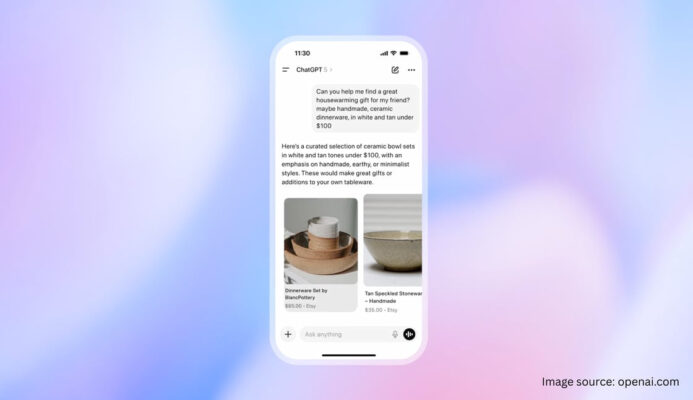
Their new Instant Checkout feature allows U.S. users to purchase products directly inside ChatGPT — no website needed. Users can ask, “What’s the best skincare for dry skin?” and instantly see recommended products with a ‘Buy’ button built into the chat.
This is powered by Stripe and already supports Etsy sellers, with plans to expand to over one million Shopify merchants. OpenAI has even open-sourced its Agentic Commerce Protocol, so retailers can soon integrate seamlessly.
For e-commerce brands, this marks the beginning of Chat-to-Checkout, where visibility and conversions merge in a single conversational moment.
And while product rankings in ChatGPT remain organic, the same principles apply:
- Be mentioned in credible sources
- Optimise product information for natural-language queries
- Build digital trust across your brand ecosystem
How to Win in the AI Search Era
Whether you’re a local service provider or an online retailer, visibility in AI-driven search now depends on five key factors:
- Structured, factual content – Use bullet points, clear answers, and data-backed statements. Adding schema markup helps search engines and AI better understand and categorise your content, increasing the likelihood of being chosen as the recommended answer.
- Natural language optimisation – Write like your customers talk: “What’s the best…?” or “How do I…?”
- Digital credibility – Be visible across listings, bios, and articles. AI models pull from reputable sources, not just your site.
- Topical authority – Go deep in your niche; own your expertise.
- Be the best answer, everywhere – AEO SEO isn’t about ranking. It’s about being the answer AI systems cite and recommend.
It’s no longer enough to show up in Google’s top 10 — your brand needs to be the name AI systems recognise and recommend.
Future Outlook: Preparing for Multi-Platform AI Search
Search is no longer just about Google, it’s becoming an ecosystem of AI-driven discovery tools.
- ChatGPT Instant Checkout is turning conversations into conversions for product-led brands.
- Reddit’s AI-powered search is surfacing real community discussions and recommendations globally, including in Australia.
- Google AI Mode is shifting informational clicks toward concise, authoritative answers.
For marketers, the lesson is clear: visibility now depends on being the trusted, credible source across AI ecosystems — from Google and ChatGPT to Reddit and beyond.
Final Thoughts: the fundamentals haven’t disappeared. Google still rewards quality and relevance, and AI tools reward trust and authority. Whether you’re building a service business or selling online, focus on:
- Being the credible, referenced answer.
- Optimising for both humans and AI-driven tools.
- Showing up wherever customers are looking — search bars, chats, or voice queries.
Disclaimer: The tips and insights in this email are for general information purposes and highlight trends in AI-driven search. If you’d like more detail on AEO SEO, schema markup, ChatGPT Shopping, or any of the topics mentioned, don’t hesitate to reach out — we’re happy to walk you through how these strategies can work for your brand.
This Month’s Top Reads
Search and AI are moving fast — here’s our pick of the smartest reads to make sure your brand doesn’t get left behind.
A deep dive into recent Google search updates and how AI integration is reshaping click behaviour.
Read the Ahrefs breakdown
Practical, actionable tips for optimising content for AI-driven search and generative platforms.
See the AI search checklist
Analysis of how Google’s AI Mode is impacting user behaviour and what it means for content visibility.
Read the Mumbrella analysis
Insights into AI-driven eCommerce and how brands can appear in conversational shopping experiences.
Explore Chat-to-Checkout
Debunks the myth that SEO is disappearing, highlighting how AI and search fundamentals coexist.
Is SEO really dead?